


Hello and welcome to The Lancashire Lead.
It’s back to local government reorganisation for today’s issue, as we unpick exactly what the changes will mean for the electoral cycle in Lancashire.
It is expected that county councillors elected in 2025 will face the electorate once again in 2027 (if they wish to stand) and see their terms come to an early end in 2028 otherwise.
Those elected in 2027 will serve a longer term than the four years that is normal.
If that seems straightforward, it is less so for town and parish councils. And there could be even more of them formed in the coming years as areas look to retain local identities.
All of that is looked at today, along with the latest in the rows over what the authorities will actually be called. Truly, I am blessed to live in South Lancashire where they appear to have agreed already.
Lancashire briefing
🏠 Councillors have thrown out plans to turn a residential property into a care home for just one child and two employees, despite the recommendations of planning officers.
Hyndburn Council’s planning committee had been advised to approve the change of use of a three-bedroom terraced house on Bamford Crescent in Accrington, despite neighbouring properties registering 18 objections to the plans.
Residents raised concerns about how the conversion of the Victorian-era home could impact local parking capacity, with the inevitable staff shift changes and visits from service providers increasing traffic around the location.
They also cited a previous ‘history of police attendance’ at the home, with many objectors raising fears that changing its use to that of a children’s home could ‘result in further disturbances’.
With staff shift changes at the site, the numerous objections stated that this conversion into a children’s home would ‘disrupt the peace and tranquillity of this residential area’.
The objectors also questioned whether Lancashire County Council’s highways department visit to the road at 7.20am on a weekday truly reflected its heavy use, with patrons of the nearby Victoria pub also parking around the area.
This is not the first time that the Bamford Crescent property has faced an application to turn it into a children’s home, with a previous attempt to gain a certificate of lawful use for a two-child home with two carers being rejected in 2024 as it was considered a different use to an ordinary residence.
⚽ A sports pitch in Blackburn that has been plagued by anti-social behaviour and fire-setting for years is set to be resurfaced again, but this time with extra security measures.
The multi-purpose playing area at the top of Troy Street in Bastwell has been damaged by several incidents in recent years, with it being branded the town’s ‘worst pitch’ in 2022 due to its numerous worn-down or destroyed patches of astroturf.
Thousands of pounds from a UK Levelling Up fund grant were then secured to resurface and improve the pitch in 2024, but less than a year later and before work began, the pitch was further ruined by a fire that appeared to have been started using school books.
But repairs are finally about to begin, with Blackburn with Darwen Council signing off on up to £125,000 of further improvements and better security for the pitch, citing the ‘danger that the facility presents in its current state’.
In a decision from the council’s executive on Friday, the authority stated that it intends to turn the Brookhouse Primary School-owned pitch into a ‘robust’ and safe new sports facility for the local community.
🦉 Residents of a Chorley village are warning that plans for dozens of new homes will wipe out the habitats of the wildlife that helps make the area what it is.
A campaign has been set up to oppose the 78-dwelling development on a greenbelt plot off Hurst Green in Mawdesley.
Applethwaite Homes, the housebuilder behind the proposal, said in its planning application to Chorley Council that the ecology of the site had been assessed and that it was possible to develop the estate “without significant adverse effects on biodiversity”. The firm suggested there were even “opportunities to deliver measurable ecological improvements”.
However, members of the ‘Mawdesley Says No’ group fear that the nature-friendly future being promised is a fallacy – and one at odds with reality of building on three open fields currently teeming with life.
The coincidentally-named campaign founder Kerry Mawdsley said she has spent hours documenting the wildlife that is flourishing on the unspoiled site and has submitted her findings to council planners in the hope of influencing their decision. She believes she has found evidence of water vole tracks and burrows, which has not so far been considered.
“So they need to do a survey on that now,” Kerry said.
“I’ve also used a bird identification app and there was a tawny owl in the fields, barn owls have been seen hunting and there [are] deer in there. Then I’ve got pictures of a redwing and song thrushes on Millennium Green.”
Sweeping changes to electoral cycle planned ahead of local government reorganisation
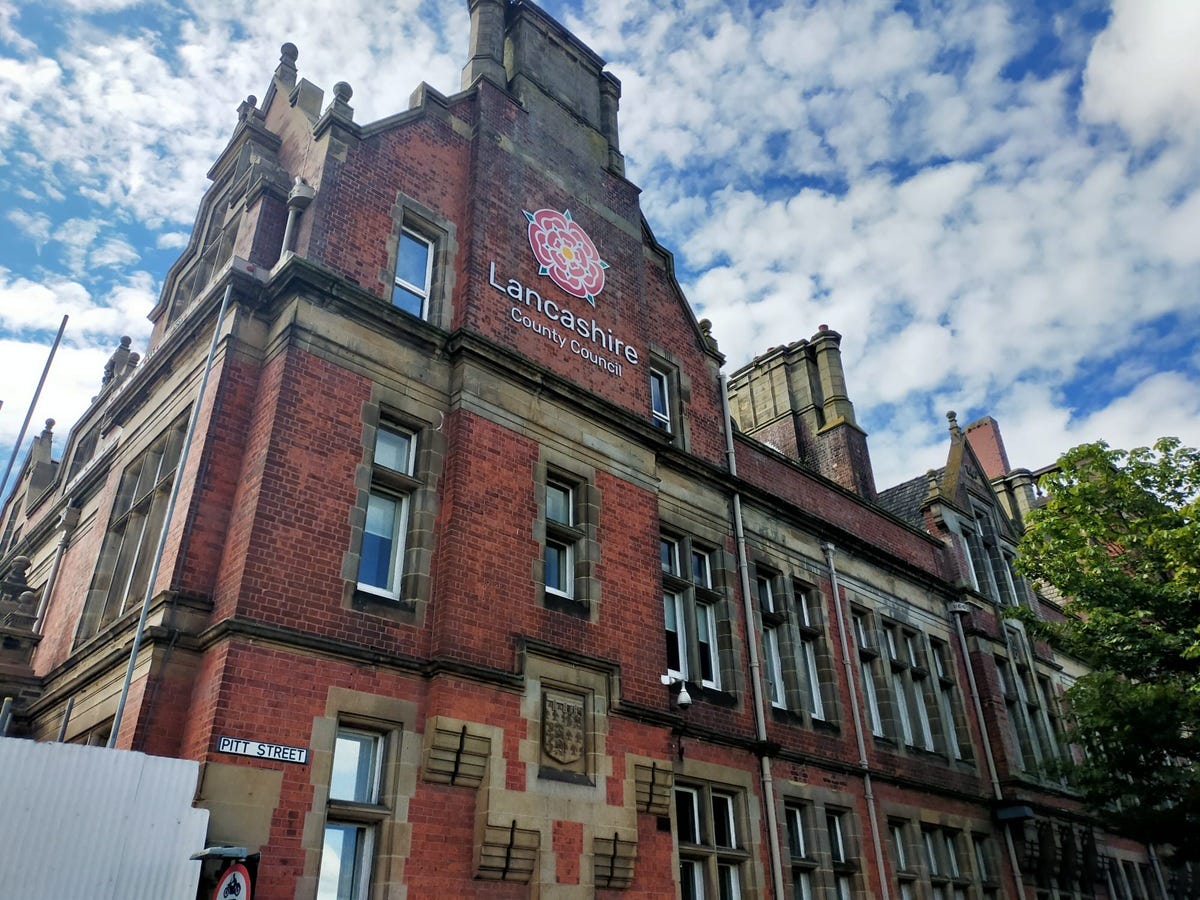
By Luke Beardsworth
Councillors elected to the new Lancashire authorities in 2027 will serve five year terms, The Lancashire Lead can reveal.
Local government reorganisation (LGR) is the process which will see all 15 local authorities in Lancashire abolished by 2028 with shadow elections for the authorities that will replace them set to take place in 2027.
The new councils, provisionally named as North Lancashire, Pennines Lancashire, South Lancashire and Fylde Coast, will be officially formed on 1 April 2028 on what will be known as a ‘vesting day’.
And a letter sent by Mark Wynn, chief executive of Lancashire County Council but also the man responsible for ensuring the process runs smoothly, to councils sets out that councillors elected in 2027 will serve a five-year term.
That letter, seen by The Lancashire Lead, reads: “The first elections to the new authorities will be in May 2027 when the new unitary councils will be established in ‘shadow’ form. The new councils will officially be formed on 1 April 2028, known as ‘vesting day’.
“As such the councillors elected in 2027 will serve a five-year term, with the first year as a ‘shadow’ unitary councillor followed by a four-year term in the new authority.
“The next elections would then be in 2032.”
It will also mean that the county councillors elected to Lancashire County Council - 53 of whom were elected to Reform UK - will sit for just short of a three-year term before they face the electorate again (if they wish to do so).
Unsurprisingly, Reform UK’s leader at County Hall - Cllr Stephen Atkinson - repeated his opposition to local government reorganisation when asked for his view on the altered term lengths.