


Hello and welcome to The Lancashire Lead.
Last month, it was confirmed very quietly that the £1 bus fare used for nine million journeys in Lancashire would be scrapped in September.
We say quietly because no announcement was made - it was only reporting by The Lancashire Lead that made the public aware of it.
But additional transport funding for local authorities provided by Andy Burnham’s £2 bus fare cap announcement means that the £1 cap could be revisited, something that but be a very welcome boost in a cost-of-living crisis.
You can read all about that down below once you read through the 59 new routes which will see additional resurfacing work over the next 12 months.
Lancashire briefing
🚗 Dozens more roads have been added to the number that will be resurfaced by Lancashire County Council this year.
The authority decided in May that it would add £5m to the highways budget to boost the tally of pre-planned surface upgrades and “preventative” treatments carried out by next spring.
The full list of projects shows that it incorporates 59 routes across 41 individual schemes in the county council’s patch – an area that excludes Blackpool and Blackburn with Darwen.
That takes the total number of roads to be upgraded during the 2026/27 financial year to more than 160 and the overall projects to 121.
Reform UK cabinet member for highways and transport Warren Goldsworthy reiterated at a recent full council meeting a previous message that the additional projects would be determined solely by the “data” showing which routes were in need of attention – and not by councillors clamouring on behalf of their own areas.
🚖 Those roads in full are:
Burnley
Pendle Way – extent to be determined – surface dressing
Chorley
Lower Burgh Way – from Dale View to Burgh Hill Road roundabout and from Burgh Hill Road roundabout to Booth Avenue – resurfacing
Peel Street/Belmont Road/Mayfield Avenue/Rivington Drive, Adlington – resurfacing
Fylde
A584, Preston New Road – Lily Cottage to Lower Lane – resurfacing
Lytham Road – extension of already approved scheme – resurfacing
Hyndburn
B6237, Queens Road and Penny House Lane – from Whalley Road to Burnley Road – surface dressing
Charter Street, Accrington – from Willows Lane to Pickup Street – surface dressing
Lancaster Avenue and Gloucester Avenue, Accrington – from Whalley Road to Queens Road West – resurfacing
Plantation Street/Plantation Road, Accrington – from Abbey Street to Arden Park – surface dressing
Southwood Drive, Accrington – from Manchester Road to the end – surface dressing
Lancaster
A6, Scotland Road – from Burton Road roundabout to Market Street traffic light junction – surface dressing
B5273, Oxcliffe Road, Heysham – from Southgate to Westcliffe Drive – surface dressing
B6254, Kirkby Lonsdale Road, Over Kellet – from end of C-class section to Craggs Hill – surface dressing
Cinderbarrow Lane – from the reservoir to the bridge over the motorway – surface dressing
Earl Street and surrounding routes, Skerton – Albert Road, Earl Street, Derby Road, Lord Street, Lune Street, Lune Terrace – resurfacing
Hutton Roof Road, Whittington – from Cumbria boundary Saddler Nook Lane – surface dressing
Marshaw Wyre – from the cattle grid outside Marshaw Farm to the cattle grid at the summit – resurfacing
Mewith Lane – from Eskew Beck Bridge to Lowgill Lane – drainage issues
Rakehouse Brow – from 100m after the cattle grid beyond Jubilee Tower to outside Emmetts Methodist Church – resurfacing
Rose Acre Lane, – from Milnthorpe Road to Flat Lane – surface dressing
Westgate Avenue, Morecambe – extent to be confirmed – surface dressing
Pendle
Brogden Lane, Barnoldswick – from Bower Close to Stocks Lane – surface dressing
Carr Hall Road, Barrowford – from Wheatley Lane Road to Carr Road – surface dressing
Gisburn Old Road – from Barnoldswick Road to the end – surface dressing
Knotts Lane, Colne – from the old brickworks to Shelfield Lane – surface dressing
Preston
A6, Garstang Road – sections from Blackpool Road to Broughton roundabout – resurfacing
Greaves Town Lane/Larches Lane/Larches Avenue, Ashton – resurfacing
Plungington Road – from Aqueduct Street to Blackpool Rd – surface dressing
Silk Mill Lane, Inglewhite – from Inglewhite Road to Langley Rd – resurfacing
Ribble Valley
Bolton by Bowland Road, Bolton by Bowland – extent to be determined – surface dressing
Clitheroe Road – from Whins Lane to A59, Clitheroe Bypass – resurfacing
Clitheroe Road, Whalley – from Whiteacre Lane to Wisewell Lane – surface dressing
Newton Road – from Wood End Farm to newly-laid stretch at Newton By Bowland Village – resurfacing
Trough Road – from the cattle grid at the summit to No.1 Lancaster Cottages – resurfacing
Trough Road – from No.1 Lancaster Cottages to Newton Road – resurfacing
Rossendale
Rawstron Street and surrounding roads – Lloyd Street/Rawstron Street/Tong Lane/William Street – resurfacing
Booth Road, Stacksteads – from Fearns Moss to Newchurch Road – surface dressing
Regent Street/Bury Road, Haslingden – from A680, Blackburn Road to A680, Manchester Road – surface dressing
Eastgate, Whitworth – from Wallbank Drive to Wallbank Drive – surface dressing
Maden Road, Bacup – from Bankside Lane to the end – surface dressing
South Ribble
None
West Lancashire
None
Wyre
Ascot Road and Aintree Road Loop and surrounding roads, Thornton-Cleveleys – Ascot Road/Aintree Road/Sandown Road stretch of Cherl Drive to house no. 39 – resurfacing
£1 bus fare used by millions could be viable after Andy Burnham’s cap announcement
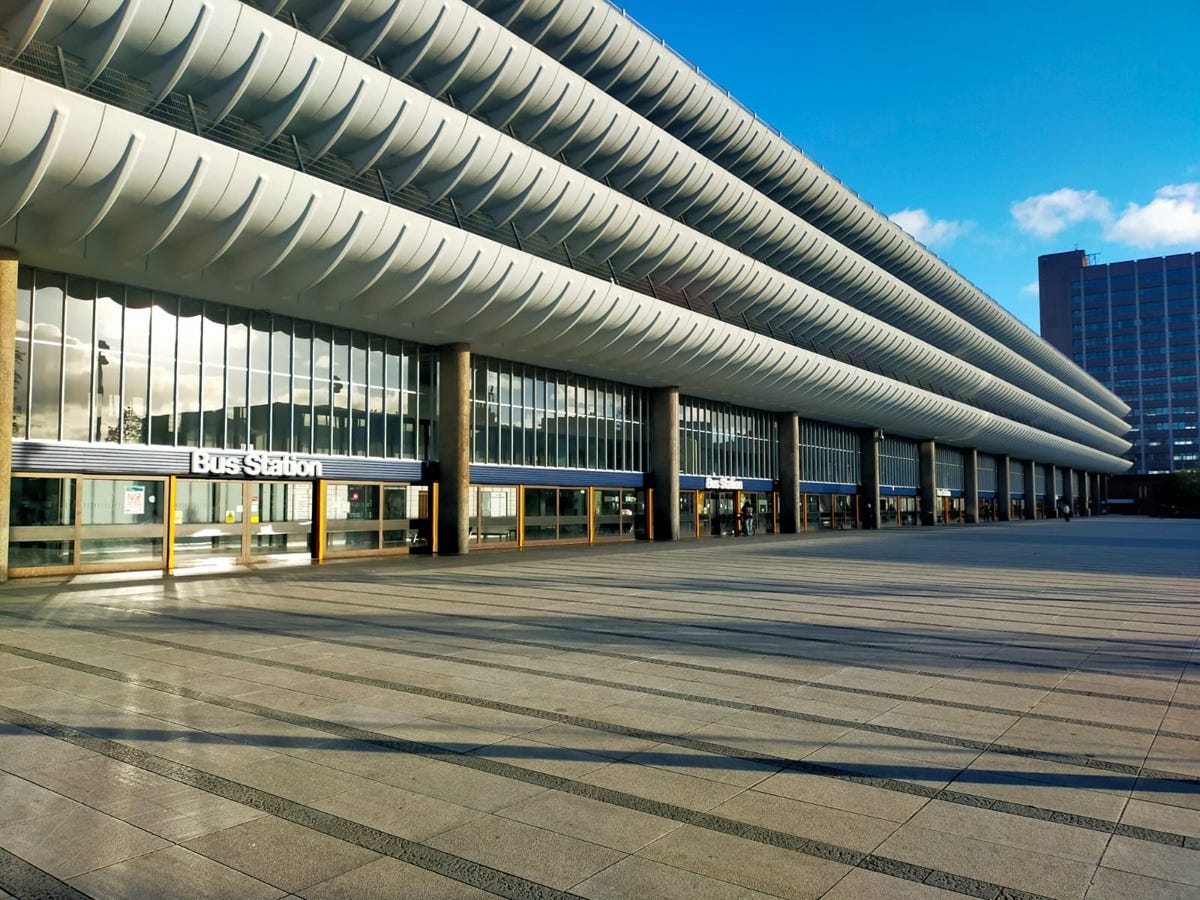
By Paul Faulkner and Luke Beardsworth
Lancashire transport bosses are assessing whether the return of the national £2 bus fare cap will enable them to reverse a price hike planned for evening and Sunday services across the county.
Since January 2023, bus passengers in Lancashire have been able to travel for a flat £1 charge after 7pm from Monday to Saturday – an offer that was extended to all day Sundays and bank holidays around 18 months later.
However, as first revealed by The Lancashire Lead last month, the Lancashire Combined County Authority (LCCA) voted to increase the discounted fare to £2 from mid-September. The devolution body heard that the £5m annual cost of delivering the scheme – under which 3.5 million £1 journeys were made between April 2025 and March 2026 – had become “unaffordable”.
No announcement of the fare being increased was made and the increase was made public only because of our reporter.
A report setting out a funding shortfall of at least £1m noted that the sustainability of the local evening and Sunday rate was dependent on the majority of bus operators in Lancashire also taking part in the voluntary, England-wide £3 fare cap. That is because the difference between the two rates largely determines how much the LCCA has to reimburse bus firms for their involvement in the county initiative.
Since then, however, new Prime Minister Andy Burnham has announced that the nationwide cap will reduce from £3 to £2 – its original level – from next January.
That would mean the Lancashire evening and Sunday cap would be equal to the national round-the-clock limit for a single adult fare – essentially ending the latter scheme by default and offering no additional local benefit for passengers in the county.
However, should the £1 evening and Sunday rate remain in Lancashire, the difference to the national cap would be only £1, instead of the current £2 – thereby reducing the reimbursement costs for the LCCA, because a greater proportion would be covered by the government.